- Home
- About Us
- Products
- Bonfiglioli Products
- Compact AC & DC Gear Motor
- Servo Motor
- Drum Motors
- Electric Motors
- High Reduction Ratio Gear Box
- Laboratory Instruments
- Motor Drivers & Controllers
- PAN Tilt Machine
- Planetary Precision Gear Box
- Special Purpose Gear Motor
- Warehouse Automation Products
- Wire Mesh Belts
- Worm Gearbox
- Waterproof Gear Motor
- Dairy Machine Part
- Inline Helical Gearbox
- Updates
- Gallery
- Contact Us
W Series – Worm Gear Box
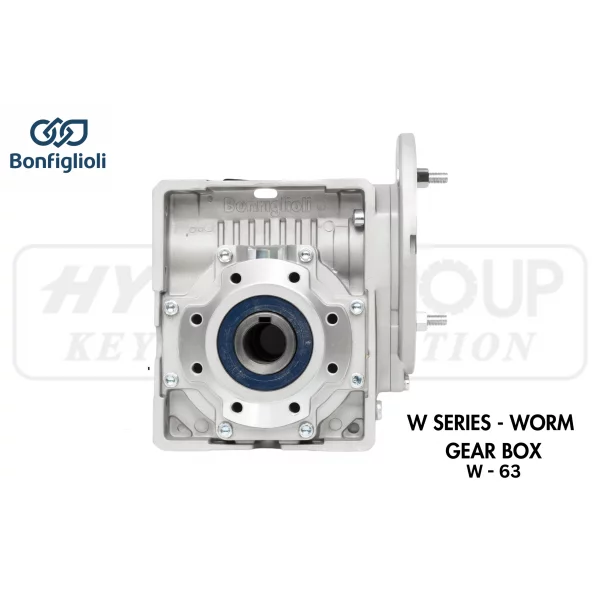
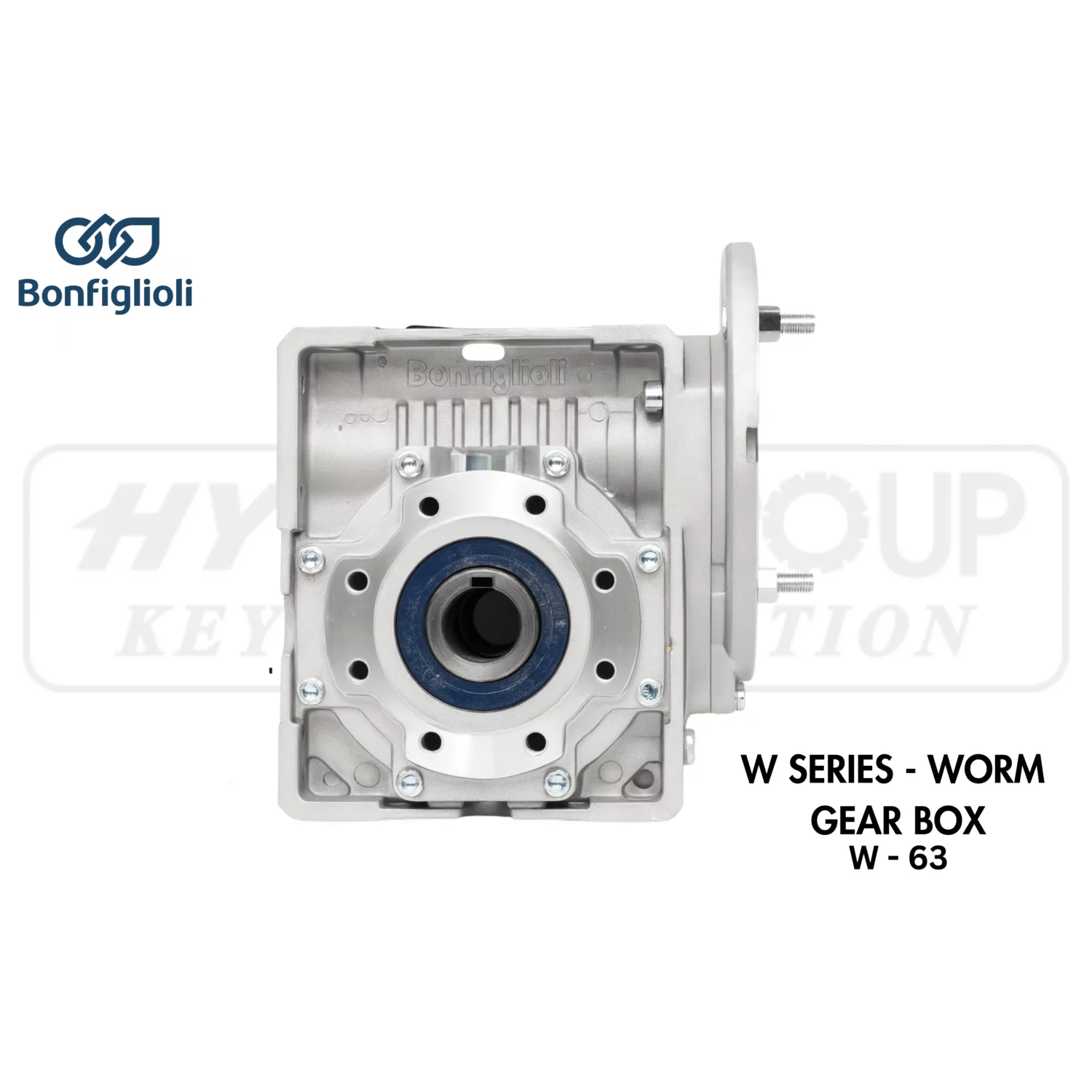
W Series – Worm Gear Box Details
Increasing torque does not only involve increasing the amount of power being created. It also involves controlling the amount of speed at all times when under load. For industrial setups, smoothness of operation is often more important than having high RPMs. We fabricate our W Series Worm Gear Box units to be able to perform consistently and deliver a controlled output under varying levels of load.
We fabricate all of our products in Ahmedabad and service customers throughout the state of Gujarat and other areas of India. The worm gear and wheel assembly is machined to have proper contact patterns to decrease the amount of uneven wear. Tooling material quality is selected for optimum performance; low quality material provides a lower life expectancy. The center distance from centerline to centerline and backlash control are kept accurate during assembly. Our lubrication chamber design supports a consistent flow of oil, enabling cooling of components during continuous operation.
The W Series Worm Gear Box can be used in many applications, including conveyors, mixers, lifting devices, packaging machines, and small processing machines. Each unit is available with a different reduction ratio depending on required output speed and load. We take shaft orientation and mounting position into consideration at the point of inspection before finalizing the location after verifying site conditions.
All units are tested prior to leaving the factory for noise, vibration, and load performance. Only after all tests are successfully completed do we provide recommendations for use. The W Series Worm Gear Box is designed for long-term durability; we don't just look at a catalogue rating. We strive to provide reliability and worked closely with our customers throughout India’s many industrial sectors to engineer the proper worm gear solutions.
Related Products
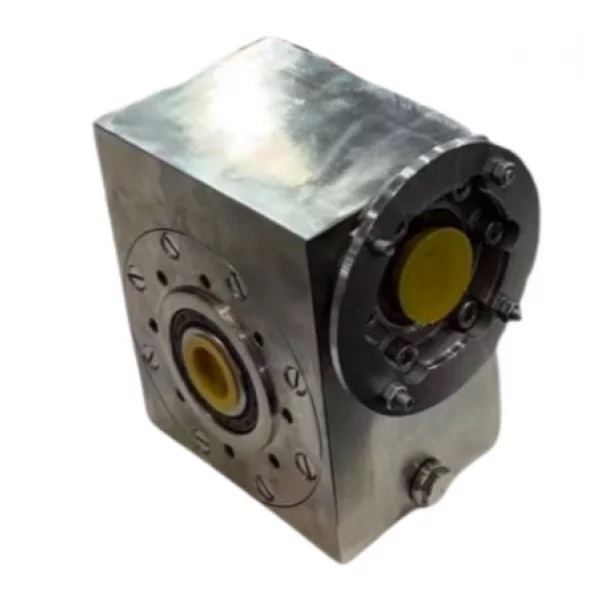
Stainless Steel Worm GearBox
In many industries, gear systems experience faster corrosion than load stress. Food processing, chemical plants, and env... Continue
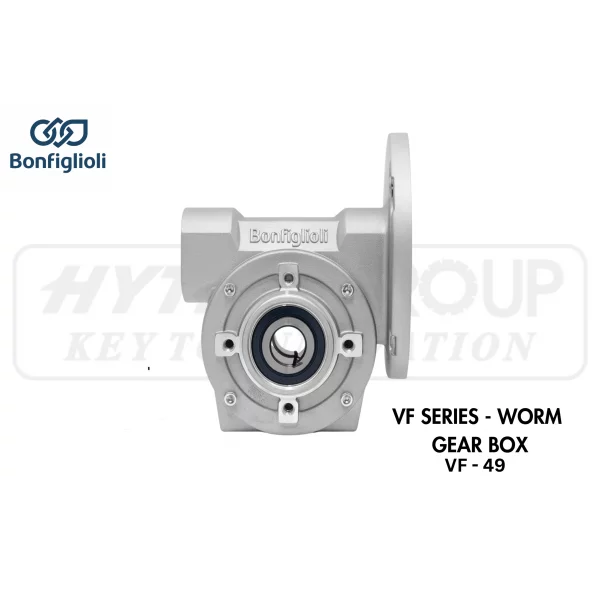
Right Angle Servo Gear Boxs
Design restrictions due to limited space will create design challenges for more machines than will limitations on the po... Continue